Ganesh Datta
HostCTO & Co-founder of Cortex

Fred Mare
Principal Engineer at Xero
January 15, 2026

In This Episode
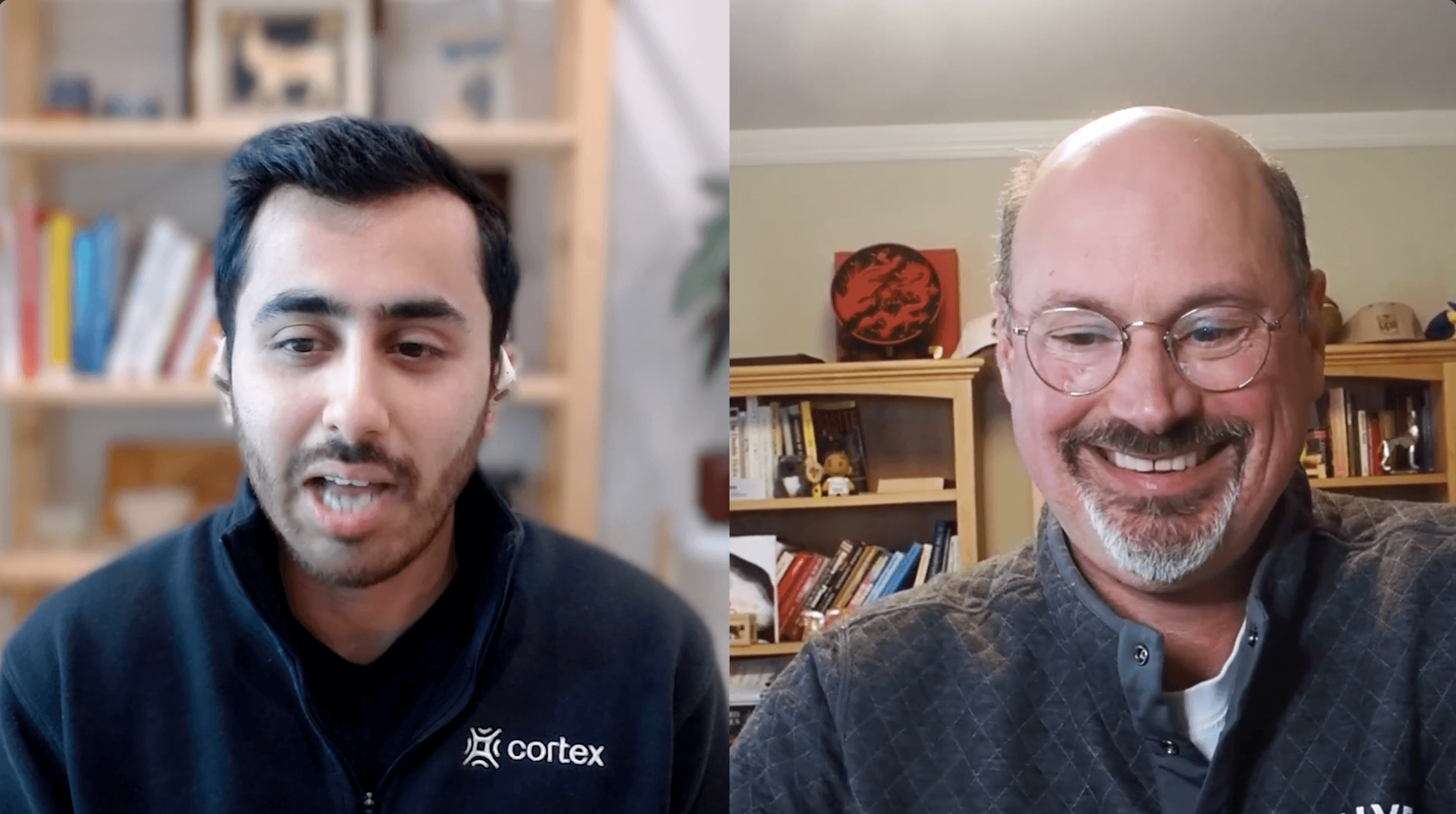
Cortex co-founder and CTO Ganesh Datta sits down with Fred Mare, Principal Engineer at Xero in Melbourne, Australia. They explore what production readiness really means, why it should be framed around customer impact rather than internal processes, and how to build a sustainable program without overwhelming your engineering teams.
Fred also shares how Xero thinks about confidence scores for changes, why production readiness is a continuous journey rather than a one-time gate, and the importance of automating as much as possible to keep engineers focused on what matters most. The conversation also covers how AI coding assistance fits into production readiness, why security can't be separated from operational excellence, and Fred's best advice for engineering leaders just starting to build a production readiness program.
You’ll learn
Production readiness should focus on whether teams can ship features to customers securely, with high availability, and deliver a good experience, rather than just internal support capabilities.
Use criticality tiering based on jobs to be done. High-criticality services touching many customers deserve stricter standards than low-risk areas.
If you can't automate a production readiness requirement, think carefully before adding it to your checklist. Manual gates create bottlenecks and team fatigue.
Whether code comes from an AI assistant or a human, it still needs the same level of review, testing, and verification before reaching customers.
Services are living things that change constantly. Every deployment should recalculate confidence scores and check readiness signals.
Don't try to go from zero to 80 in a week. Begin with a core set of requirements, get feedback early in the software design review phase, and use tools to encourage gradual improvement.
Quotes
Everything we do as an organization, as engineers, is customer focus. Production readiness is the core part of that. It's really to be in a position to answer the question, am I ready to ship out this feature to my customer? Is it gonna be secure? Is it gonna be available? Is it going to give a good experience to the customer?"
Fred Mare
Principal Engineer at Xero

"The confidence score is the ability to go through multiple signals to get any indication of the implications of that change. If you ship this change out to a customer, what would be the implications?"
Fred Mare
Principal Engineer at Xero
"A good analogy is if you're driving a car, you have a dashboard. You wanna make sure that you have enough fuel or your EV is charged fully. If you don't have those indicators and you just get in your car, you never know if things are going wrong."
Fred Mare
Principal Engineer at Xero
"If code is coming from an AI assistant that's generating your unit test for you, it's still the human factor that comes into play. Before that goes out to any customer, that is being reviewed. We still wanna make sure that the human element is there to make sure everything we do is being verified."
Fred Mare
Principal Engineer at Xero
"Standards can really bloat. You start out with good intentions, and then suddenly when you open your eyes, there's 30, 40 of these things that a team's gotta look after. An important aspect of looking at these kind of things is if you need to be able to automate it. If you can't automate it and you want to introduce it as part of being ready to go to production, you're putting yourself in a very difficult position."
Fred Mare
Principal Engineer at Xero
"Start small. Don't overload your team and be very clear about what the expectation is. Be very selective how you wanna approach this and see it as a journey. Don't come in very hard and cold and say, I want you to go from zero to 80 in a week's time. You're gonna overload the team."
Fred Mare
Principal Engineer at Xero
Timestamps
01:04
What production readiness is and why it starts with the customer
03:40
The anatomy of a production readiness program: expectations, visibility, and confidence
05:22
What confidence scores are and how they aggregate signals from testing to PR size
07:25
Where to start if you don't have a production readiness program today
10:04
Why not all changes are equal: criticality tiering based on customer impact
12:02
How AI coding assistance fits into production readiness
15:47
Why production readiness is continuous, not a one-time gate
17:46
Automating to reduce burden on developers
19:51
Who should be looking at production readiness?
22:50
Where do you gate on production readiness?
24:51
Why security can't be separated from production readiness
27:09
If you can't automate it, don't add it
28:22
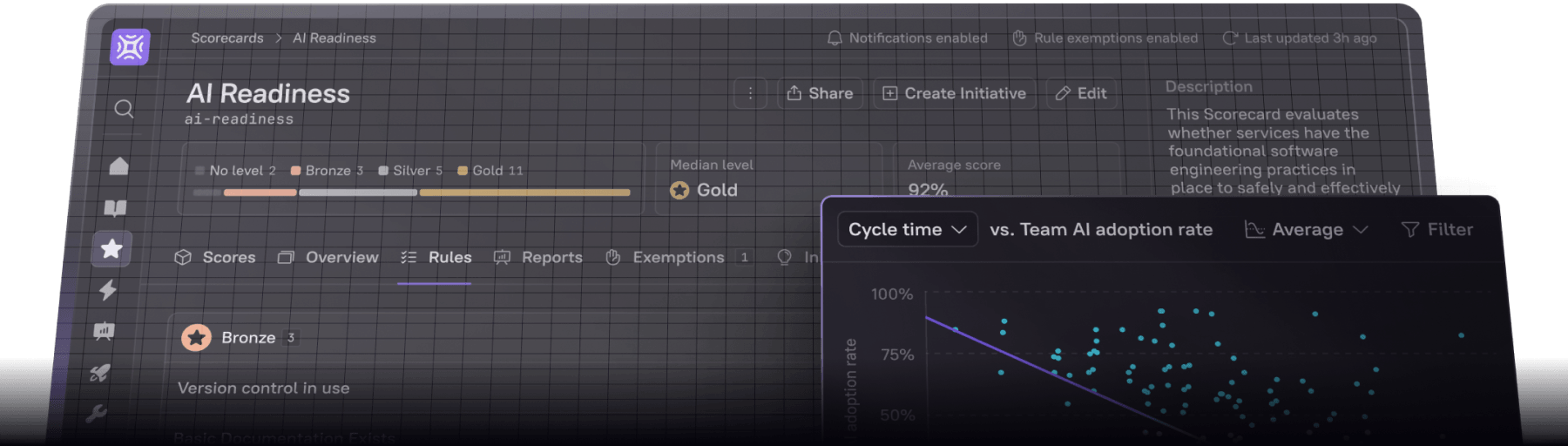
Using Scorecards to drive improvement and create visibility
30:04
Fred's advice for getting started
Other episodes
Rob Zuber on quality, metrics, and what it means to move in the right direction at CircleCI
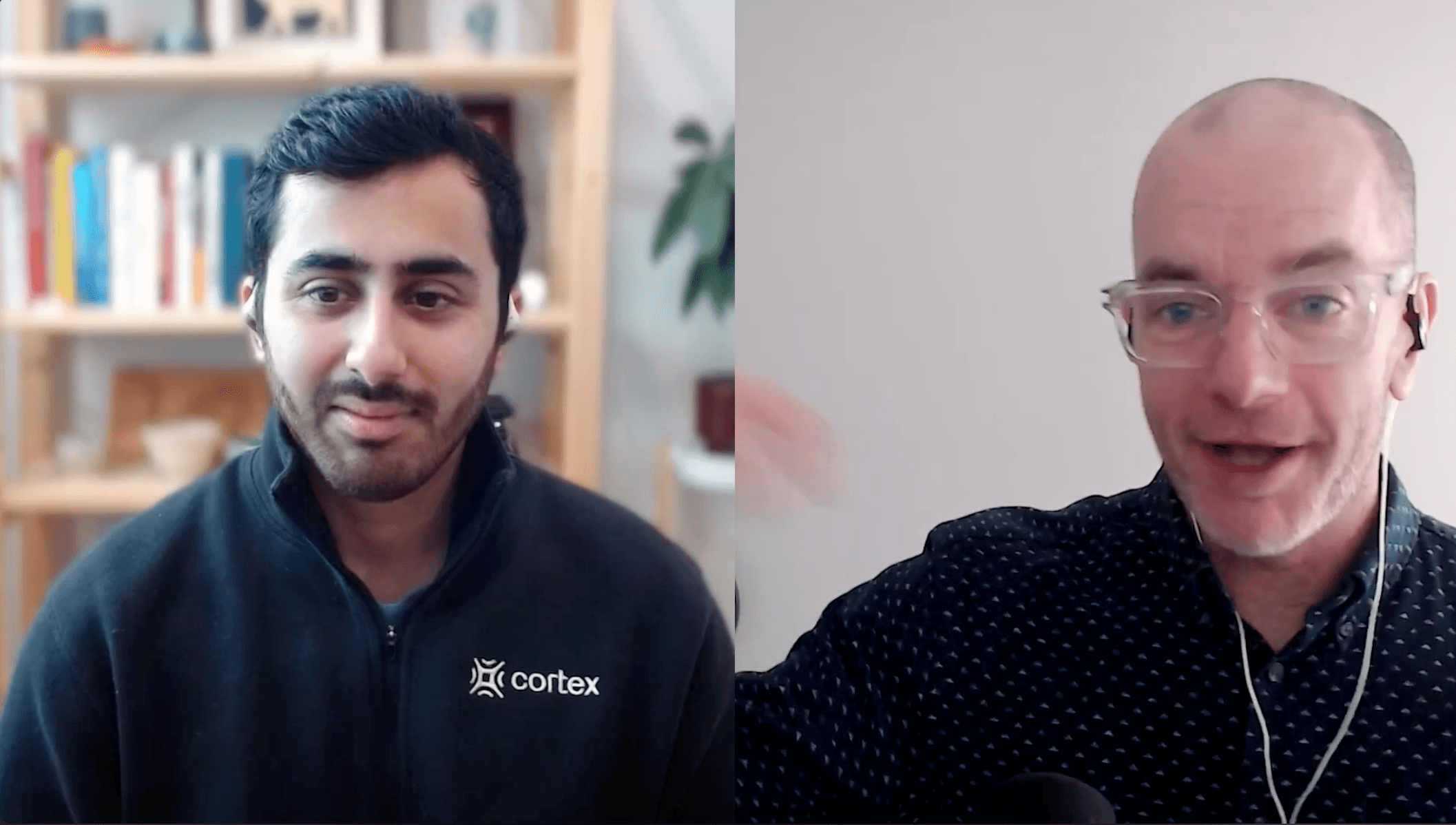
In this episode of Braintrust, Cortex co-founder and CTO Ganesh Datta sits down with Rob Zuber, CTO at CircleCI, who has spent over a decade at the center of how engineering teams build and ship software. Rob shares his thinking on two challenges that are becoming harder to ignore as AI accelerates output: the quiet erosion of software quality, and the pressure to move fast without a clear sense of direction.
They discuss what made the best QA engineers so effective and why that mindset largely disappeared, how LLMs could help bring it back, and why engineering leaders need to think about metrics very differently depending on whether their teams are scaling a mature system or exploring uncharted territory.
March 26, 2026
Randy Shoup
SVP of Engineering at Thrive Market

The platform engineering playbook for velocity, quality, and AI readiness at SIXT
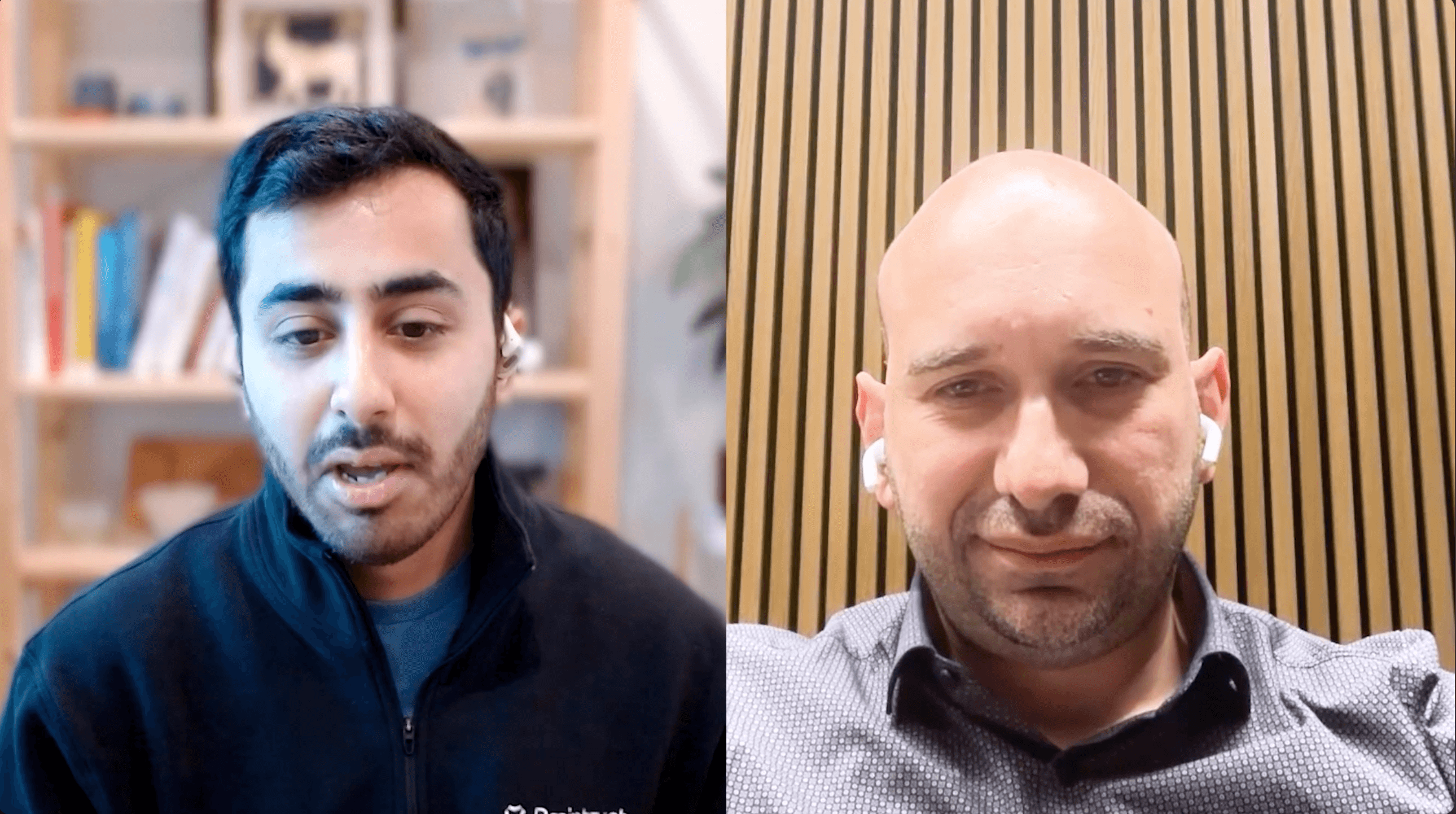
In this episode of Braintrust, Cortex co-founder and CTO Ganesh Datta sits down with Boyan Dimitrov, CEO of SIXT, one of the world's largest mobility providers operating in over 100 countries. Boyan shares the story behind SIXT's engineering transformation, from shipping software once or twice a month to running nearly 10,000 deployments a month, and explains how extreme standardization became the engine driving both velocity and quality at the same time.
They discuss the pull-and-push model SIXT uses to drive platform adoption without mandating it from the top, how Boyan built a business case for platform investment by starting with specific problems rather than a platform-first vision, and how years of foundational standardization work is now paying significant dividends as SIXT accelerates its AI strategy.
March 12, 2026
Boyan Dimitrov
CTO of SIXT
How Thrive Market's SVP of Engineering thinks about reliability culture
In this episode of Braintrust, Cortex co-founder and CTO Ganesh Datta sits down with Randy Shoup, SVP of Engineering at Thrive Market. Randy shares lessons from his leadership roles across multiple companies and explains how measurement and transparency can help teams build stronger engineering cultures.
Randy and Ganesh chat about how fear can block progress, why recovery speed matters more than trying to prevent every failure, and how teams improve through steady, incremental gains. They also discuss a few practical ways to build trust around metrics so organizations can use visibility for learning instead of punishment.
February 26, 2026
Randy Shoup
SVP of Engineering at Thrive Market